Luís Vasconcelos
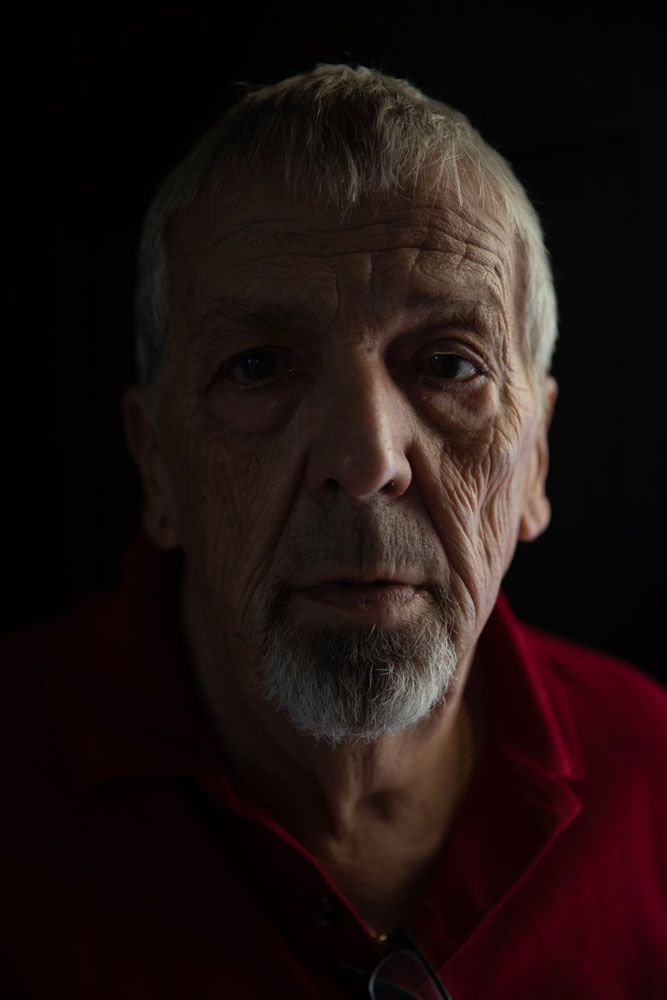
©Luís Barra
Luís Vasconcelos was born in Peso da Régua, Portugal, and grew up in Mozambique, where he completed his primary and secondary education. It was during his secondary school years that he first encountered photography, learning basic darkroom techniques and beginning to photograph the city of Beira with a borrowed Rolleiflex camera. Later, in Lourenço Marques (now Maputo), where he finished his schooling, he rejoined a circle of photography enthusiasts, further deepening his engagement with the medium.
He moved to Portugal to study architecture at the School of Fine Arts in Porto. Seeking to avoid compulsory participation in the colonial war, he left for Brussels and subsequently Paris, where he founded the publishing house Germinal. During this period, he worked intensively as a photographer, notably contributing to O Salto, a newspaper created for the Portuguese emigrant community in France.
Upon learning of the revolution in Portugal, he returned on 29 April 1974. One of the first events he photographed was the Labour Day demonstrations that followed the overthrow of the dictatorship. He closed the Paris publishing house and settled permanently in Portugal.
Working with a photo agency, he was sent on assignments to Guinea-Bissau – where he witnessed the declaration of independence by the African Party for the Independence of Guinea and Cape Verde (PAIGC) – and later to Angola. Part of this work was published in Século Ilustrado. He subsequently joined Jornal Novo, founded by Artur Portela Filho, followed by the ANOP agency, Notícias de Portugal, and, finally, LUSA, when it was established.
Throughout his career, Luís Vasconcelos undertook numerous international assignments, often in conflict zones, documenting major historical events. Among them was Carlos Lopes’s victory in the marathon at the 1984 Los Angeles Olympic Games. In 1980, he became part of the collective that launched the weekly Rock Week and began collaborating with record labels, producing enduring photographic records of several leading Portuguese musicians.
In 1985, he joined the Movement to Support the Candidacy of Mário Soares (MASP) and, from 1986 onwards, served as the official photographer to President Mário Soares. In 1989, he was a founding member of the newspaper Público, where he worked as photo editor. A decade later, at the invitation of Cáceres Monteiro, he assumed the same role at Visão magazine, remaining there until his retirement.
He later created the Estação Imagem project, whose thirteen-year legacy of promoting photojournalism remains a significant reference in the field and can be consulted at www.estacao-imagem.com/pt.
More recently, he published Vinil (Tinta da China, 2024) and Mário Soares – Um Homem Inteiro (Tinta da China, 2025). As noted by critic Sérgio B. Gomes, these works reveal Vasconcelos’s distinctive insight, with images that convey “vibration, proximity, emotion, and a strong sense of opportunity.”
Luís Vasconcelos was awarded the rank of Commander of the Order of Infante Dom Henrique by President Mário Soares.
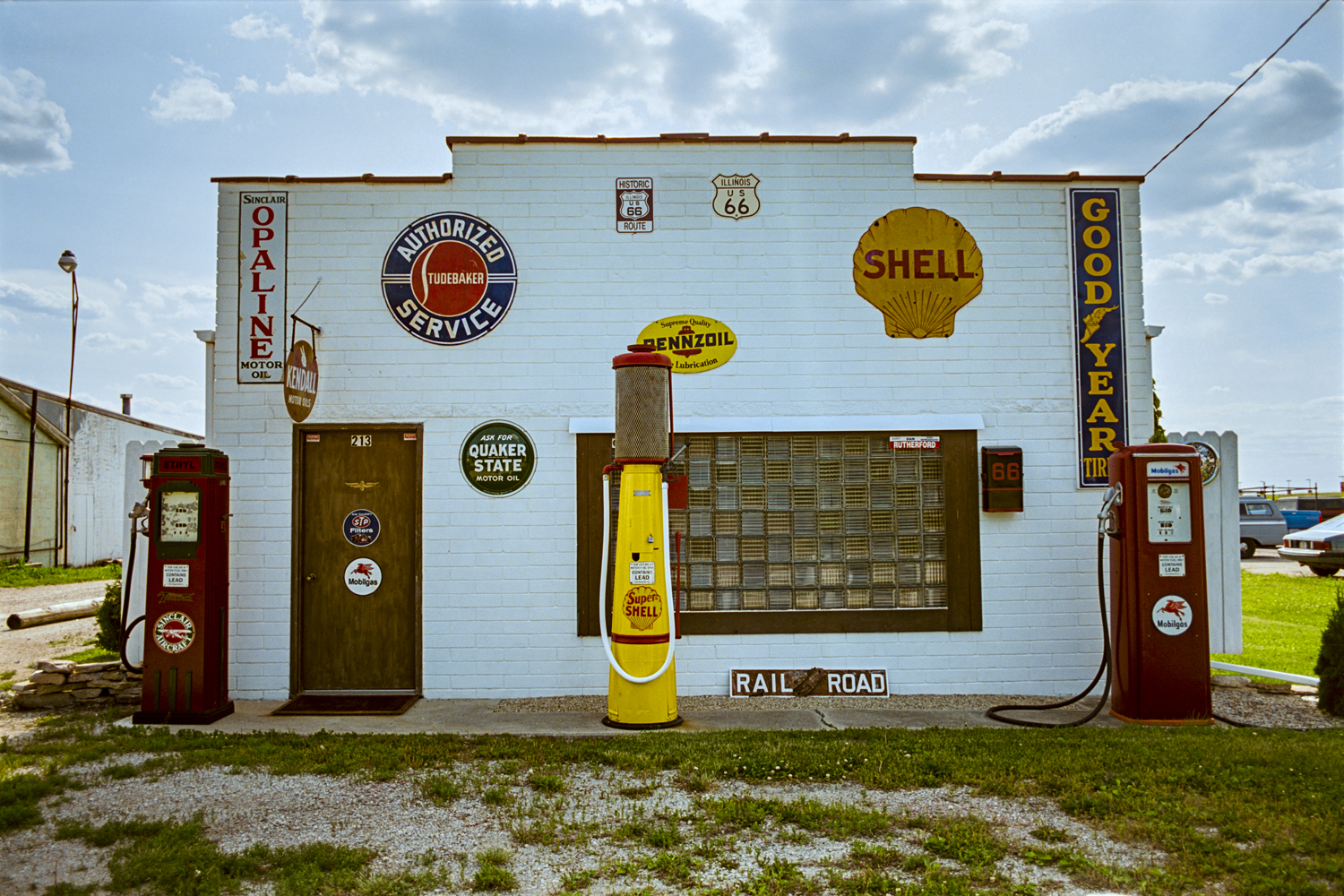
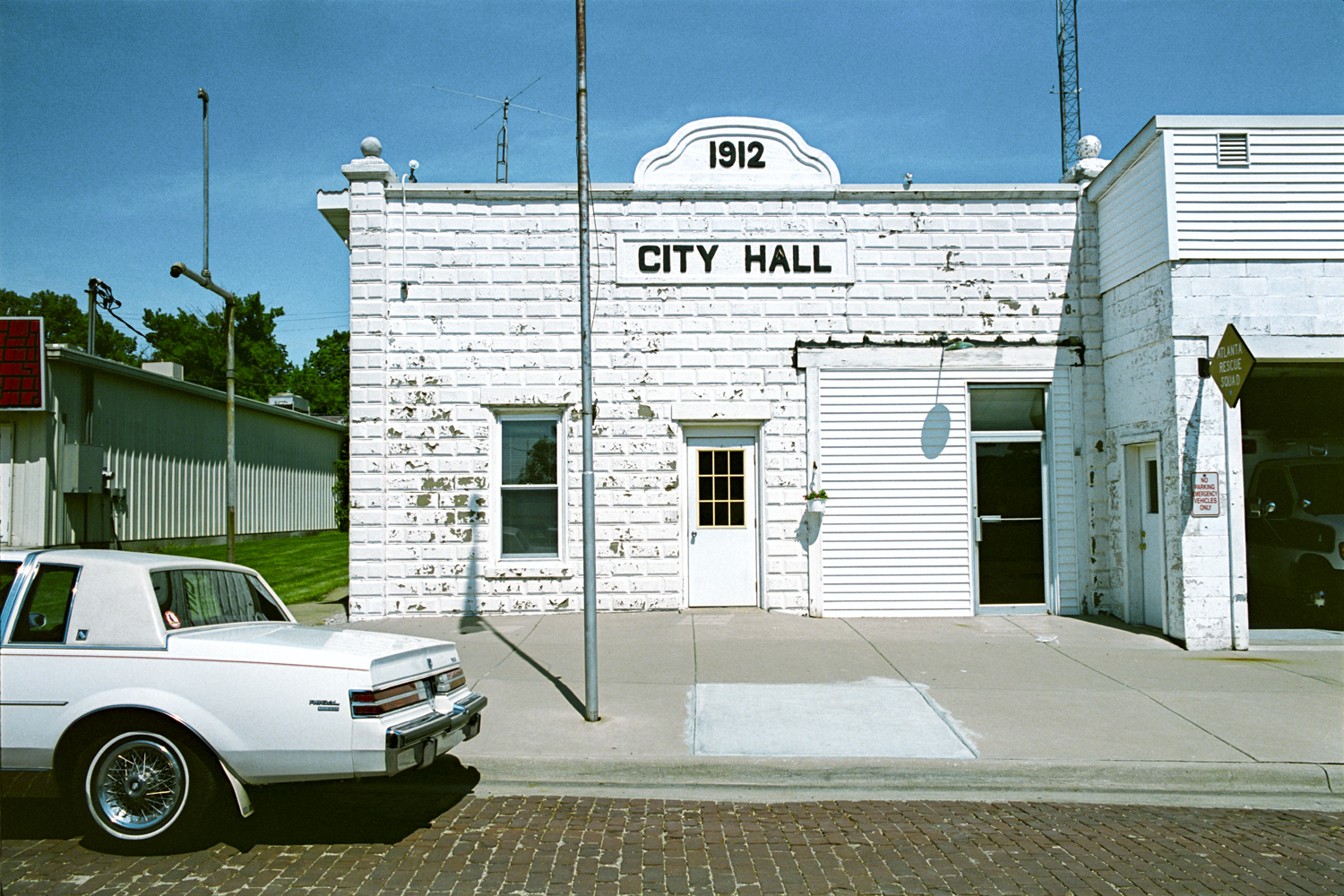
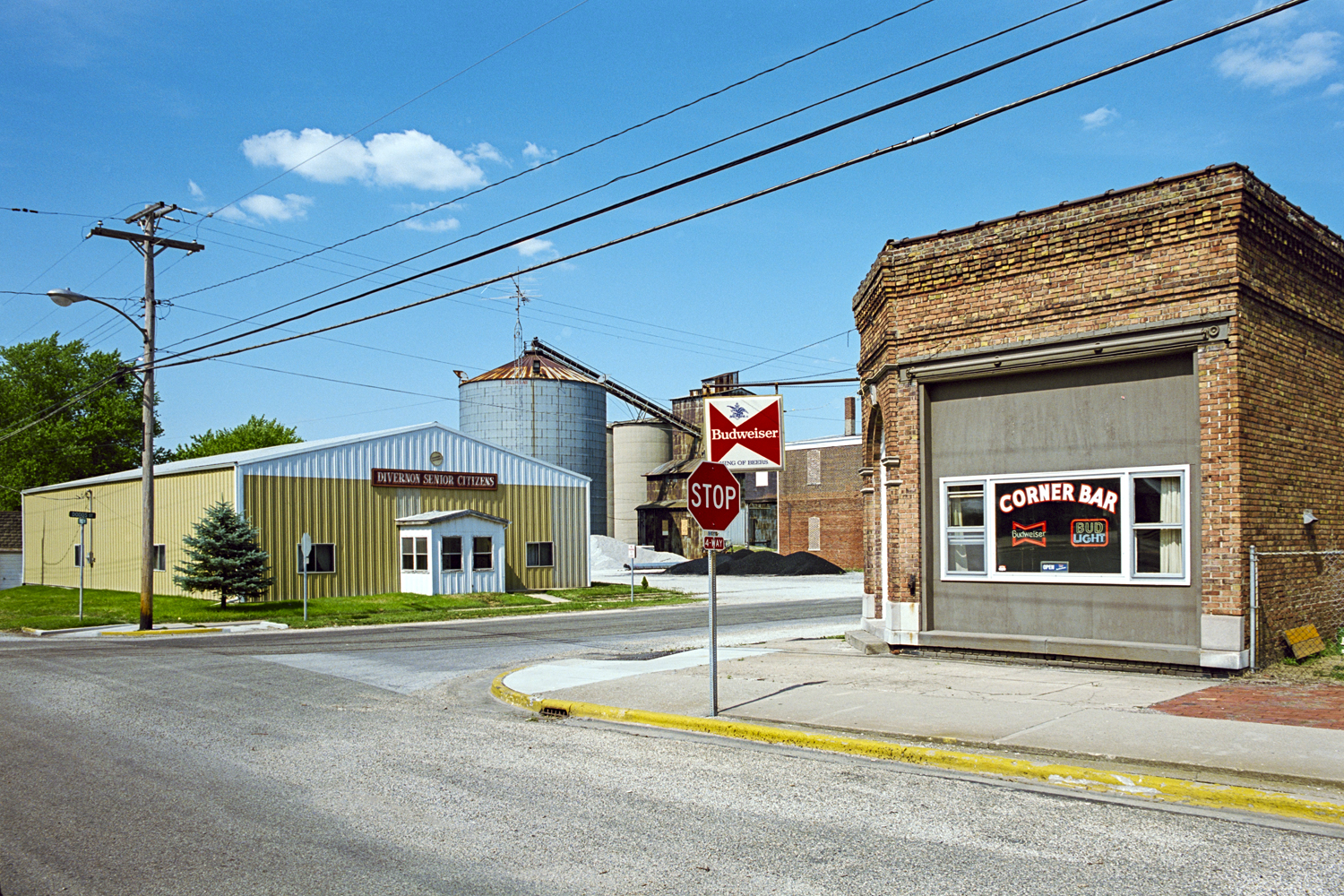
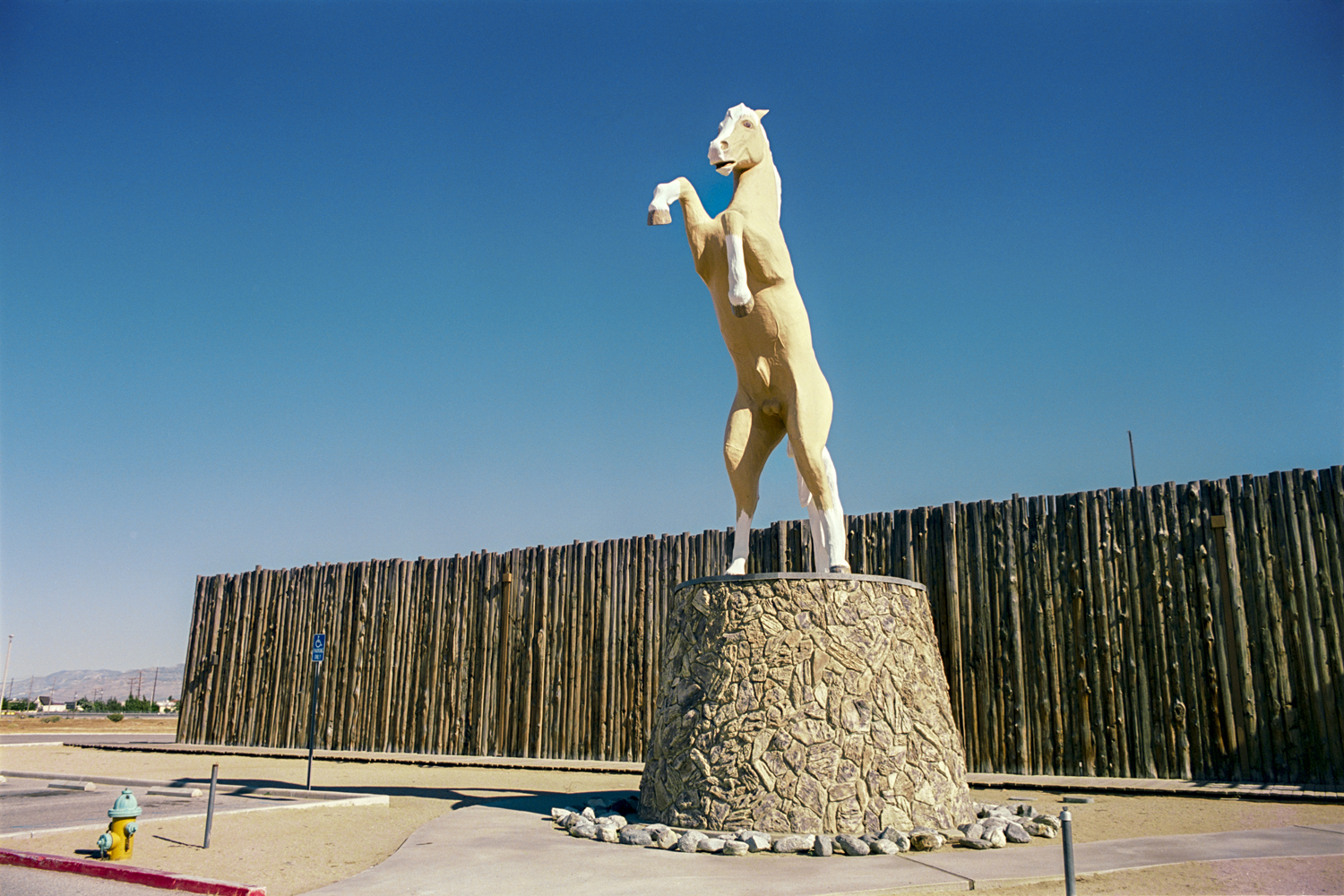
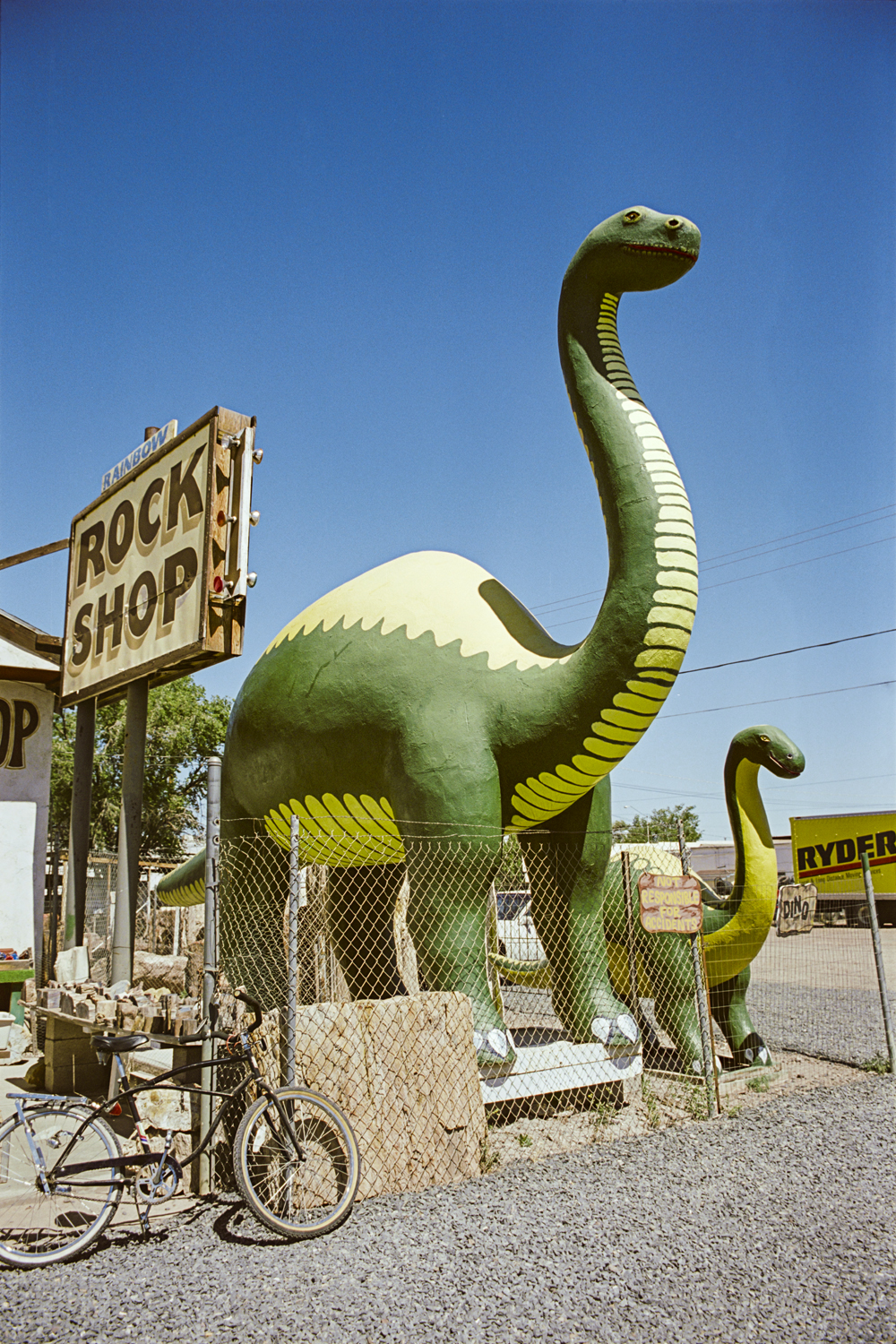
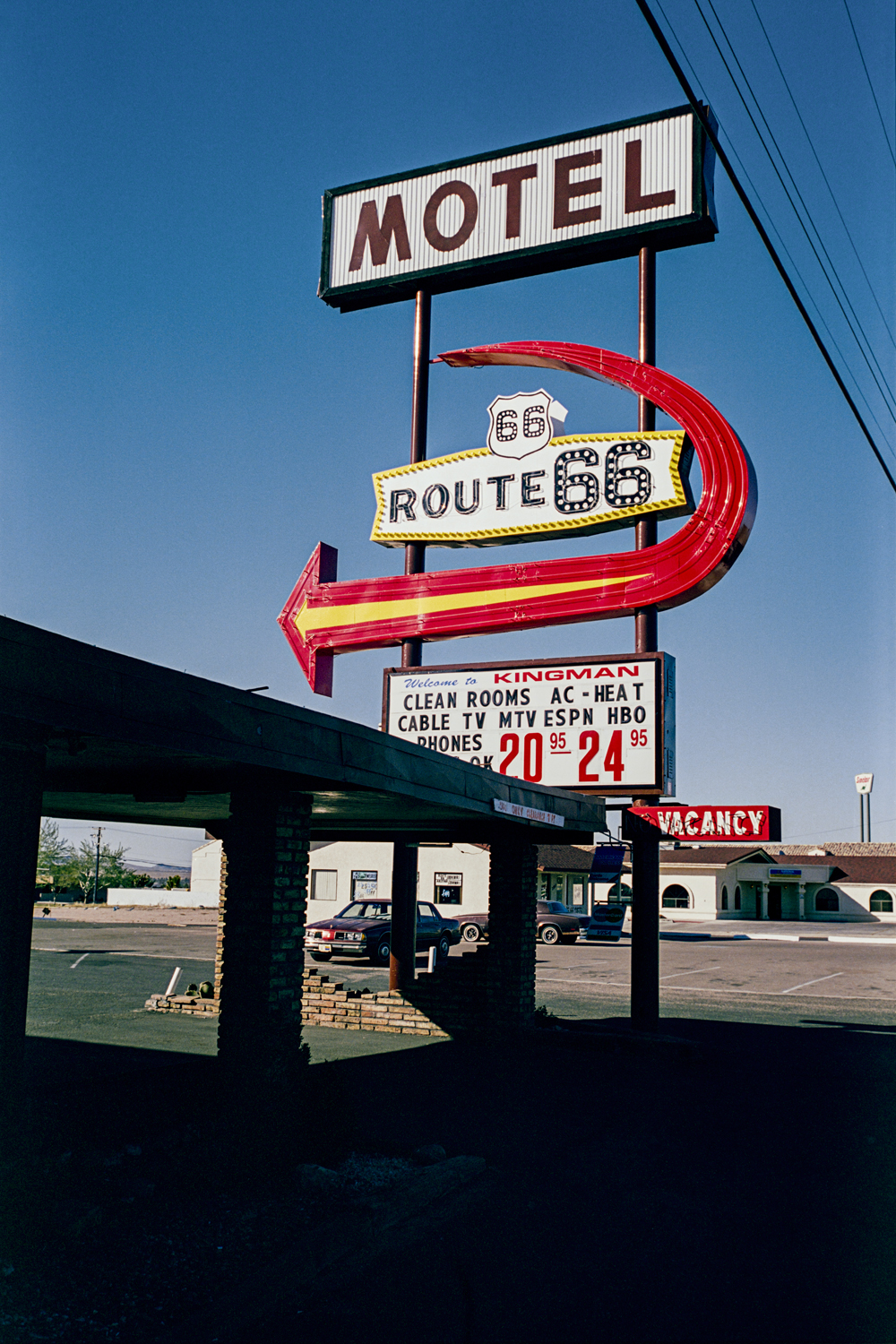
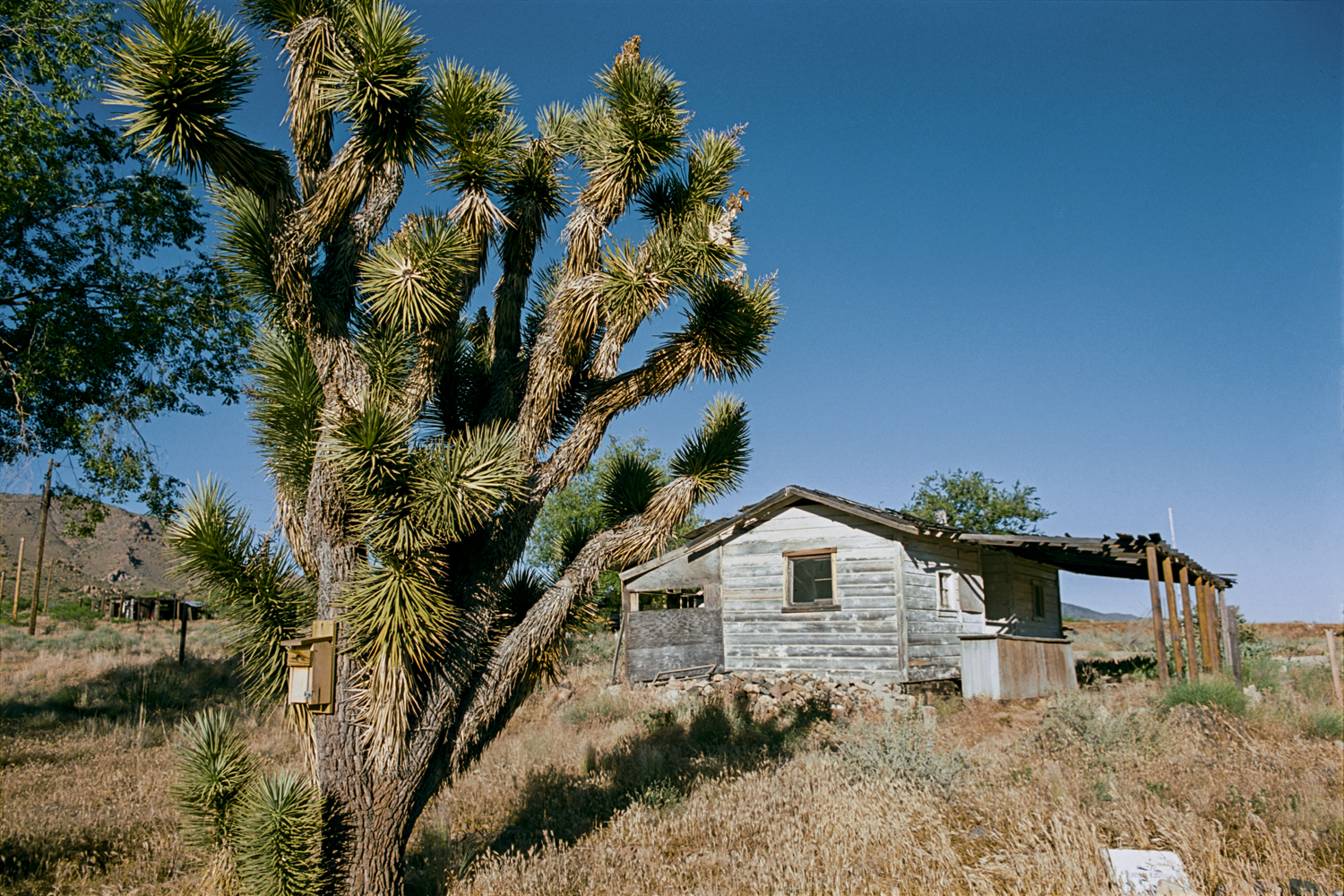
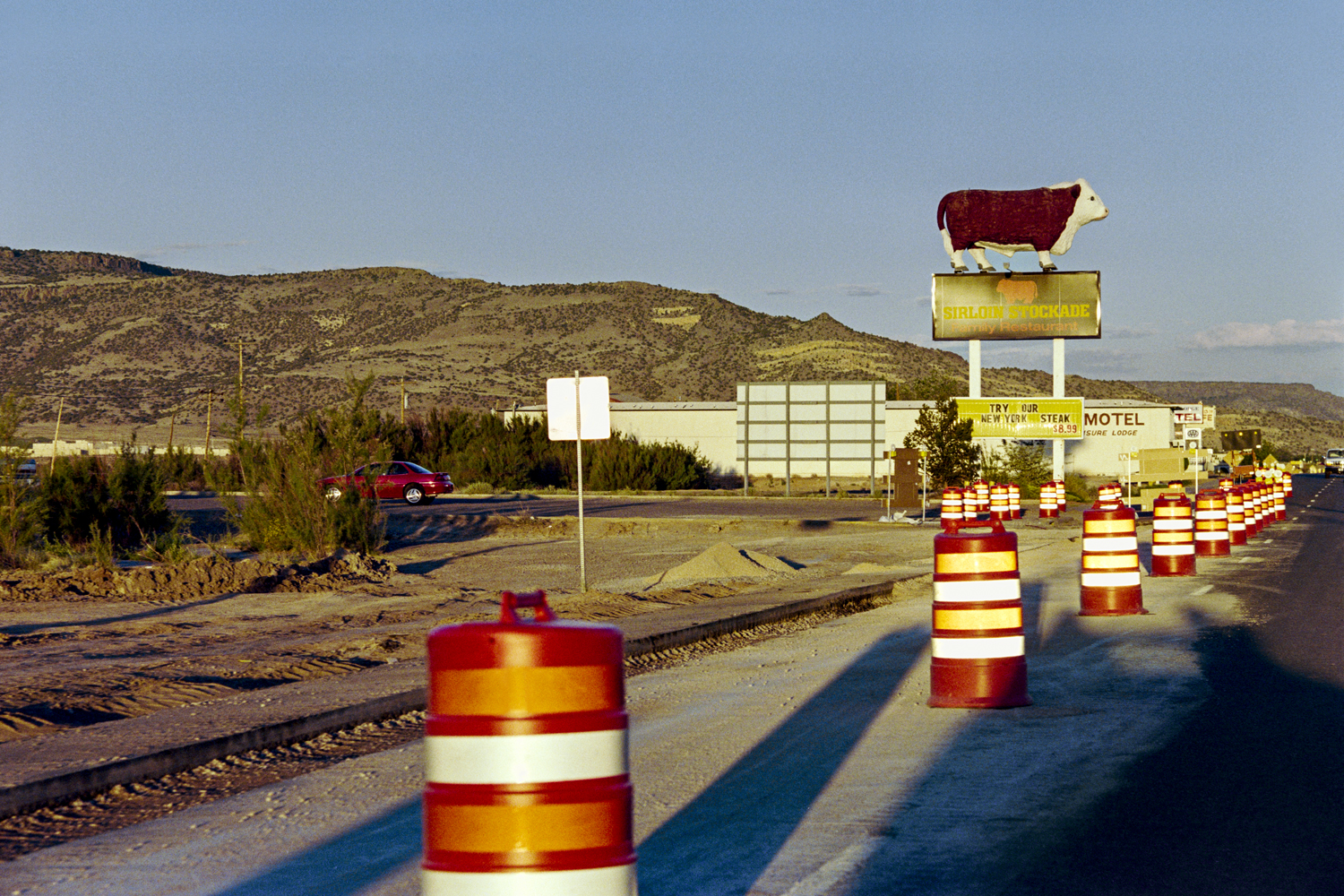
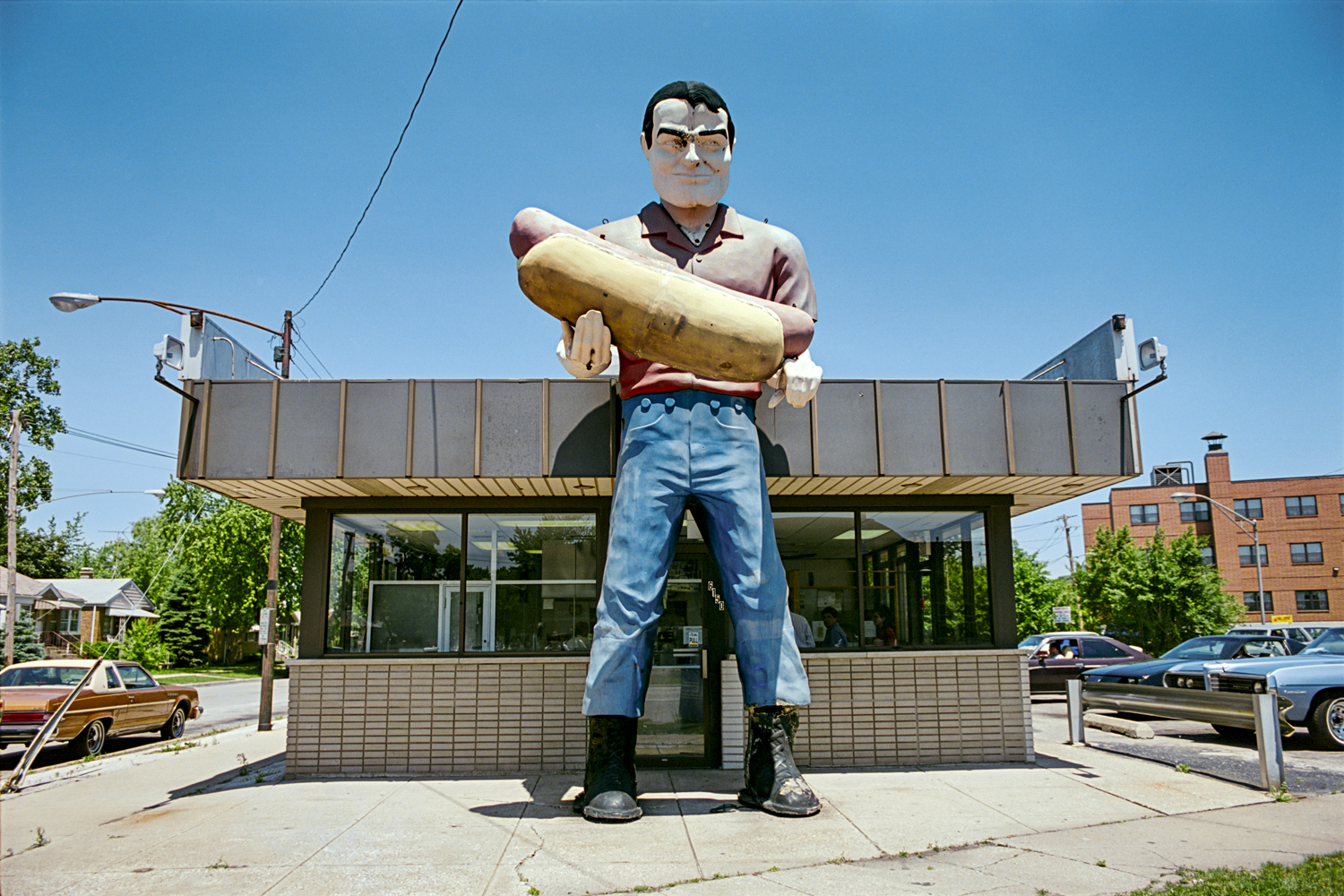
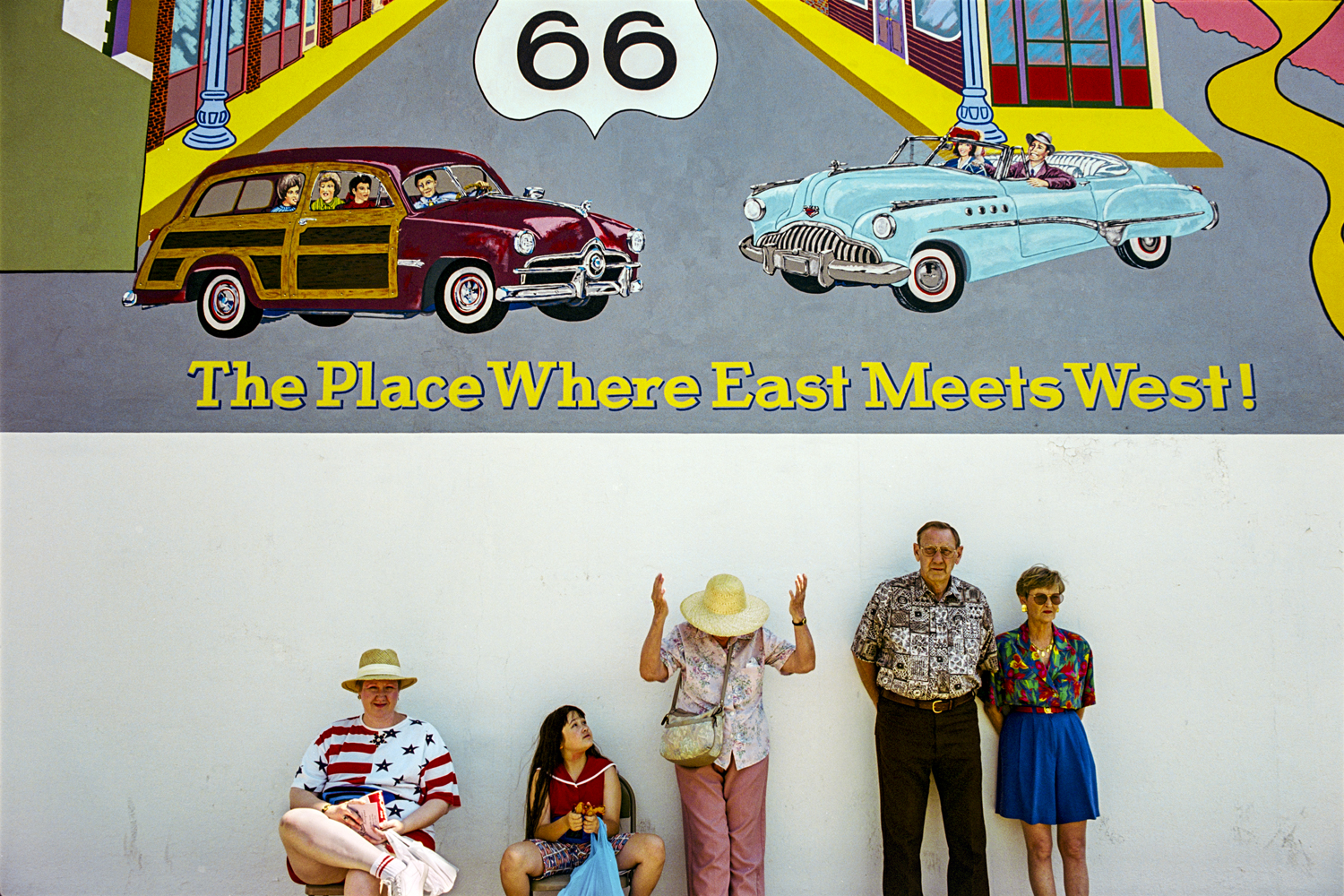
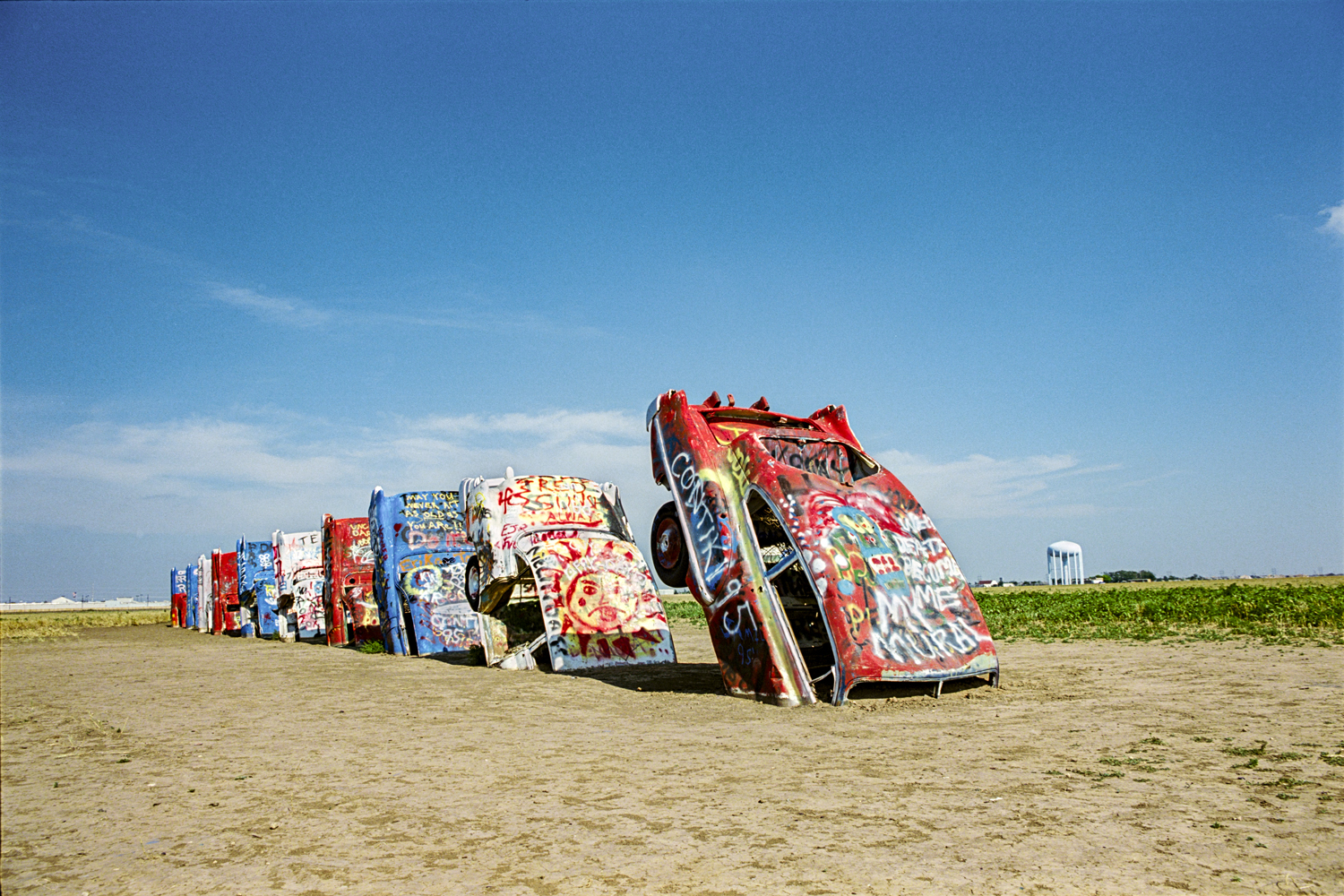
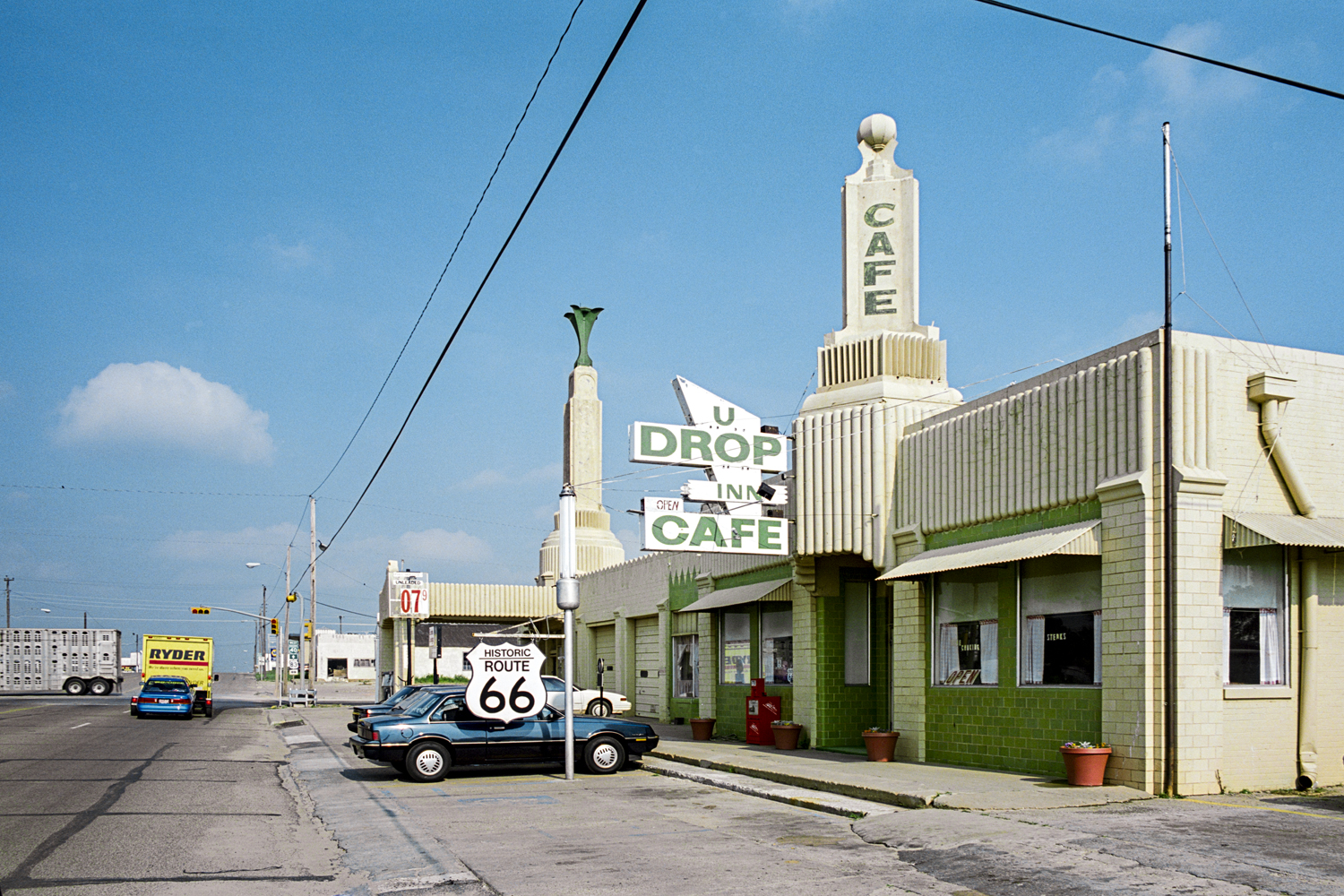
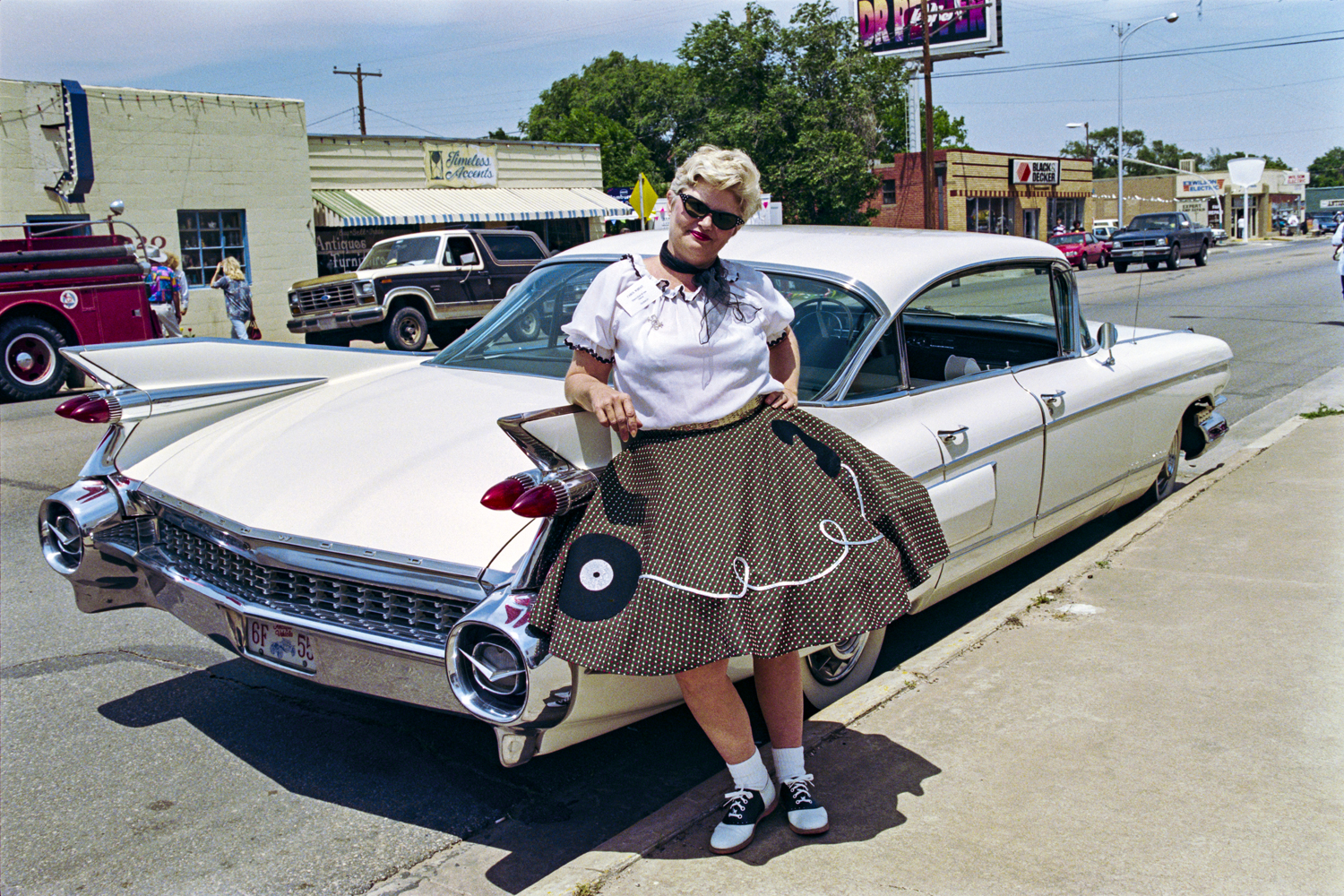
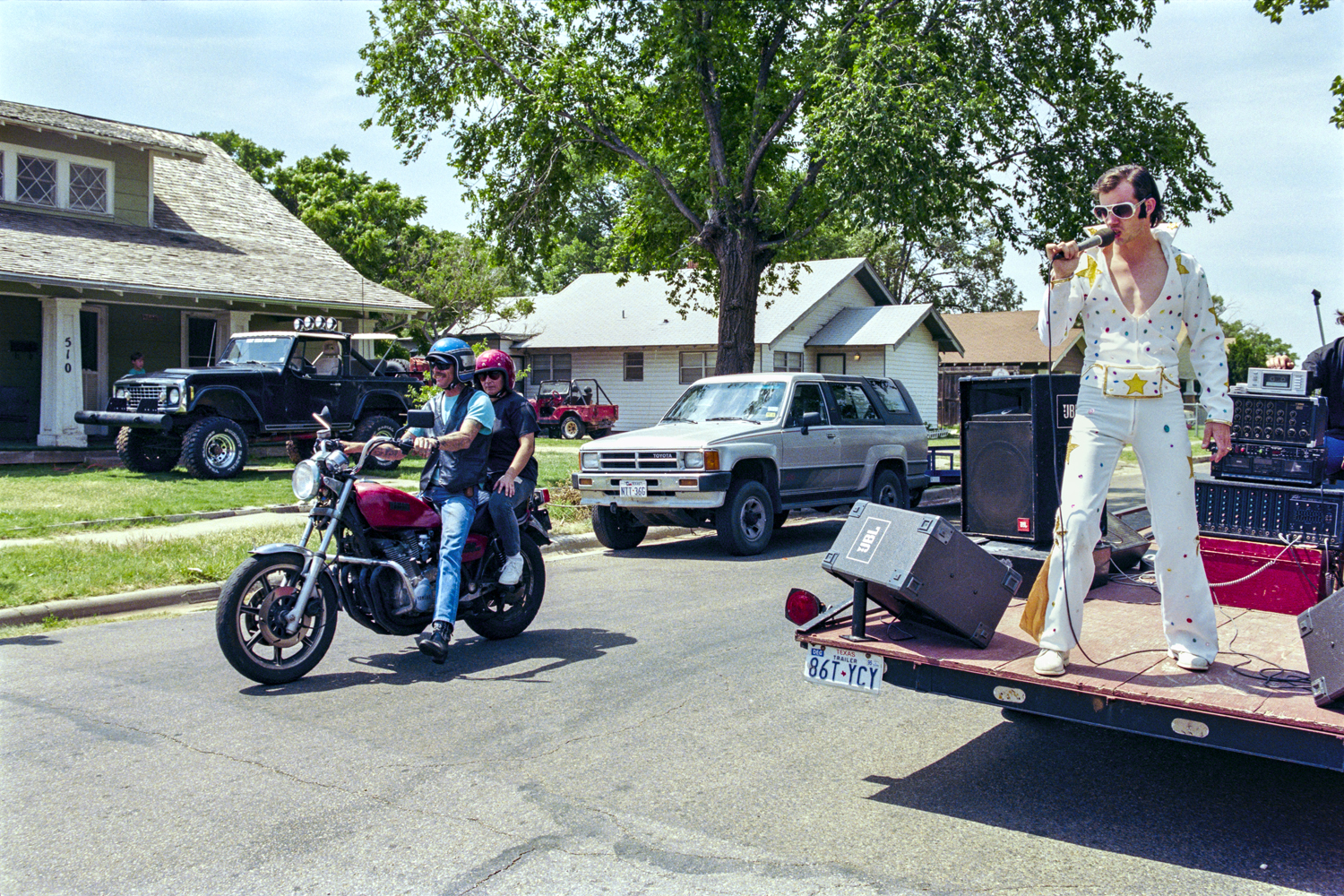
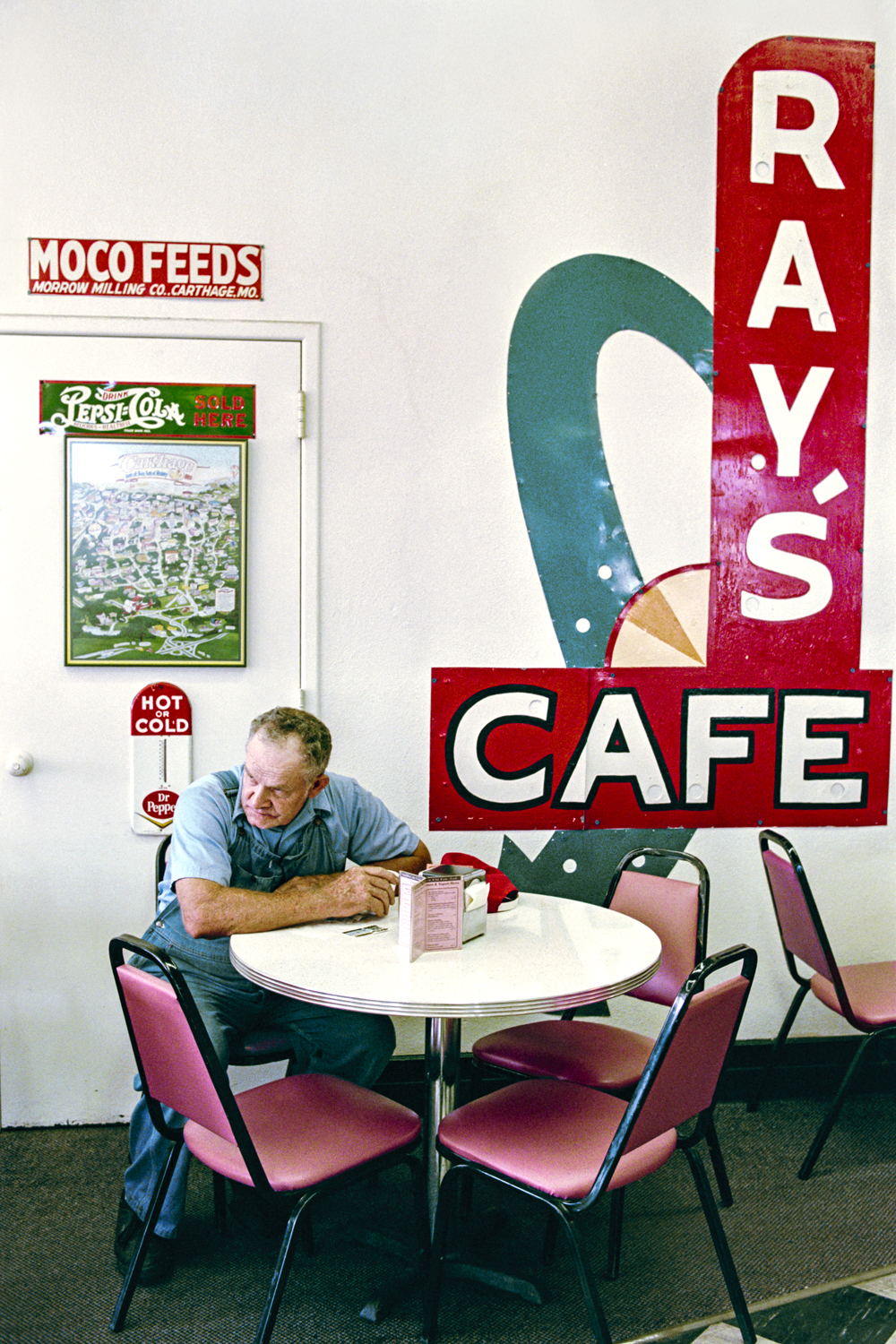
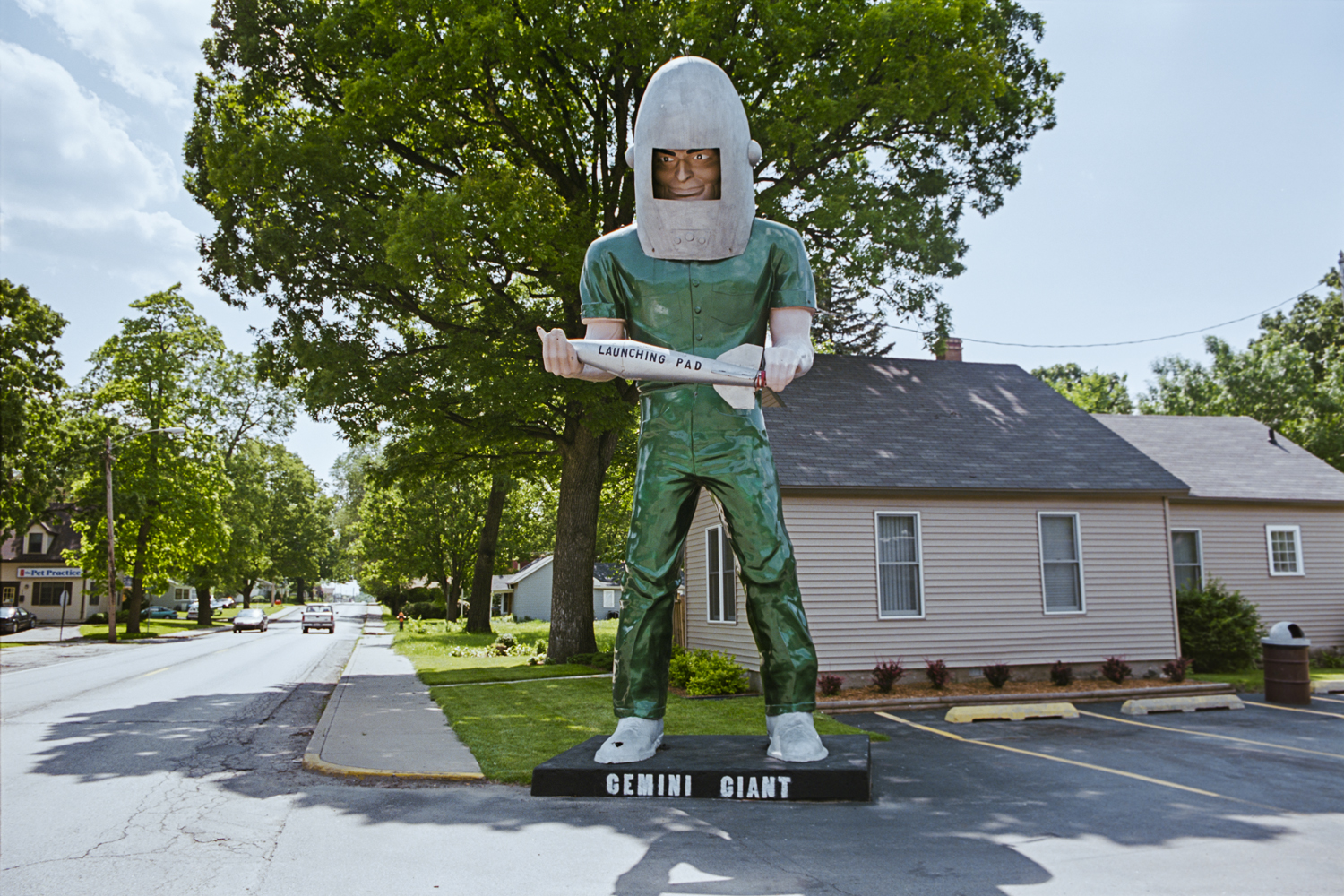
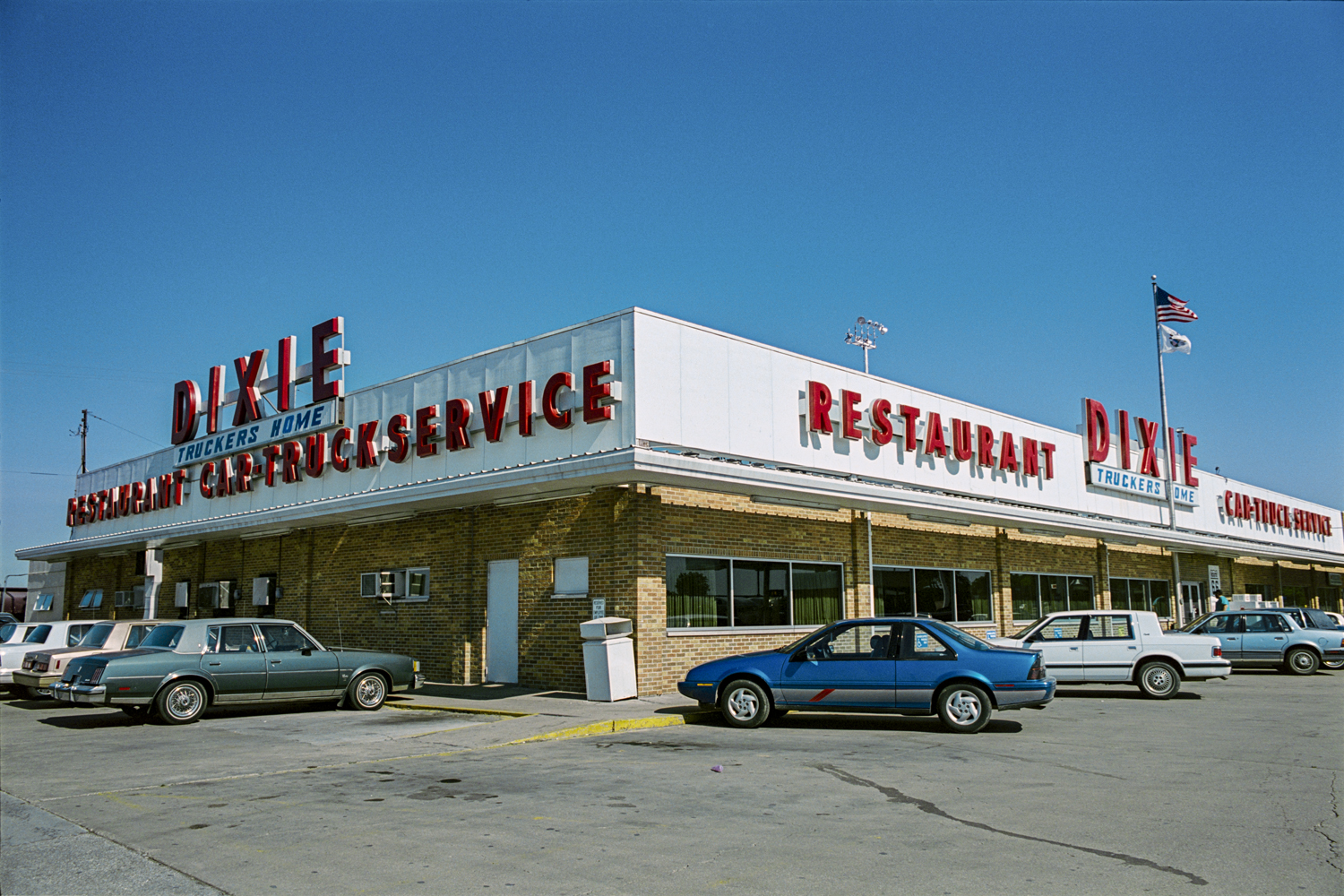
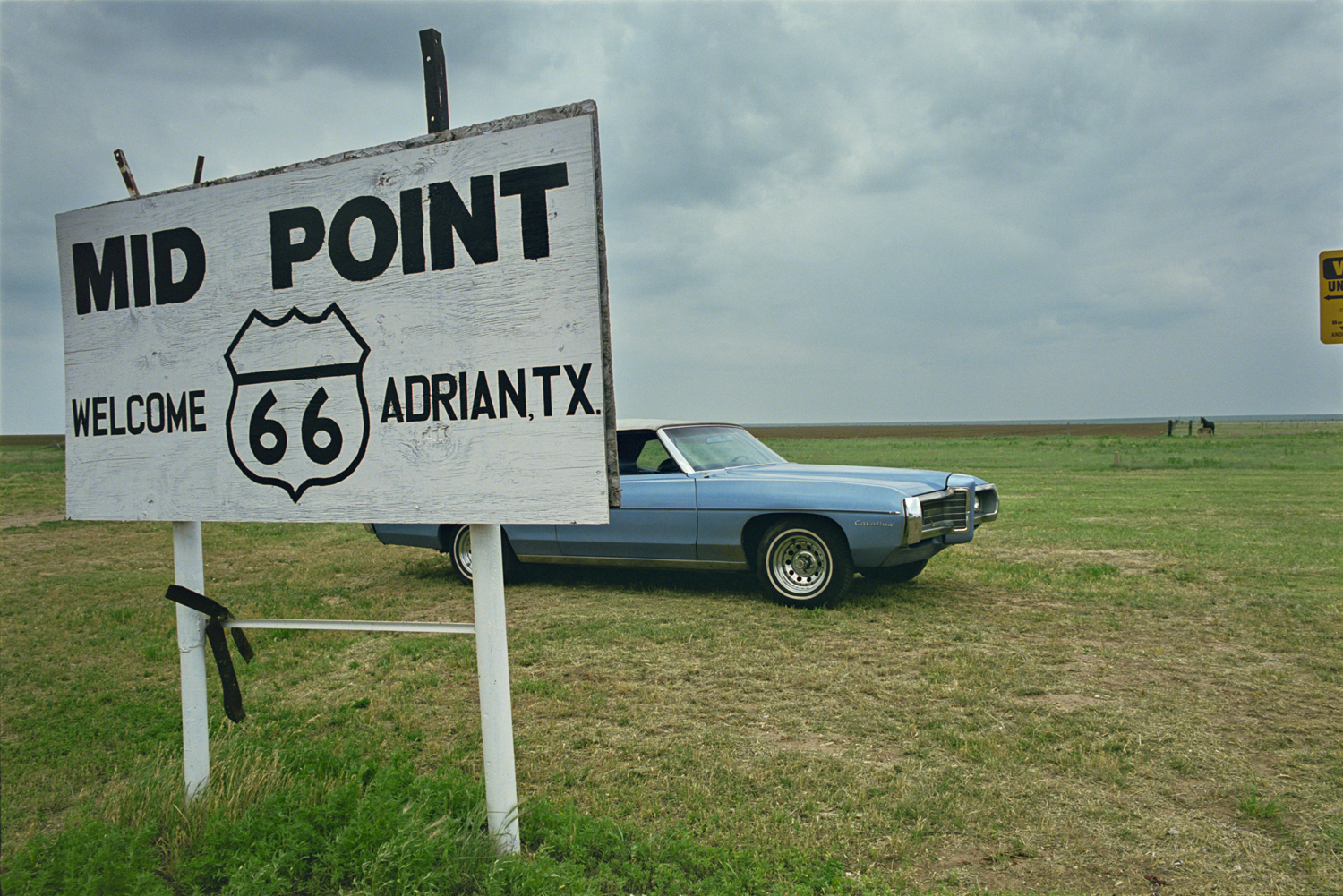
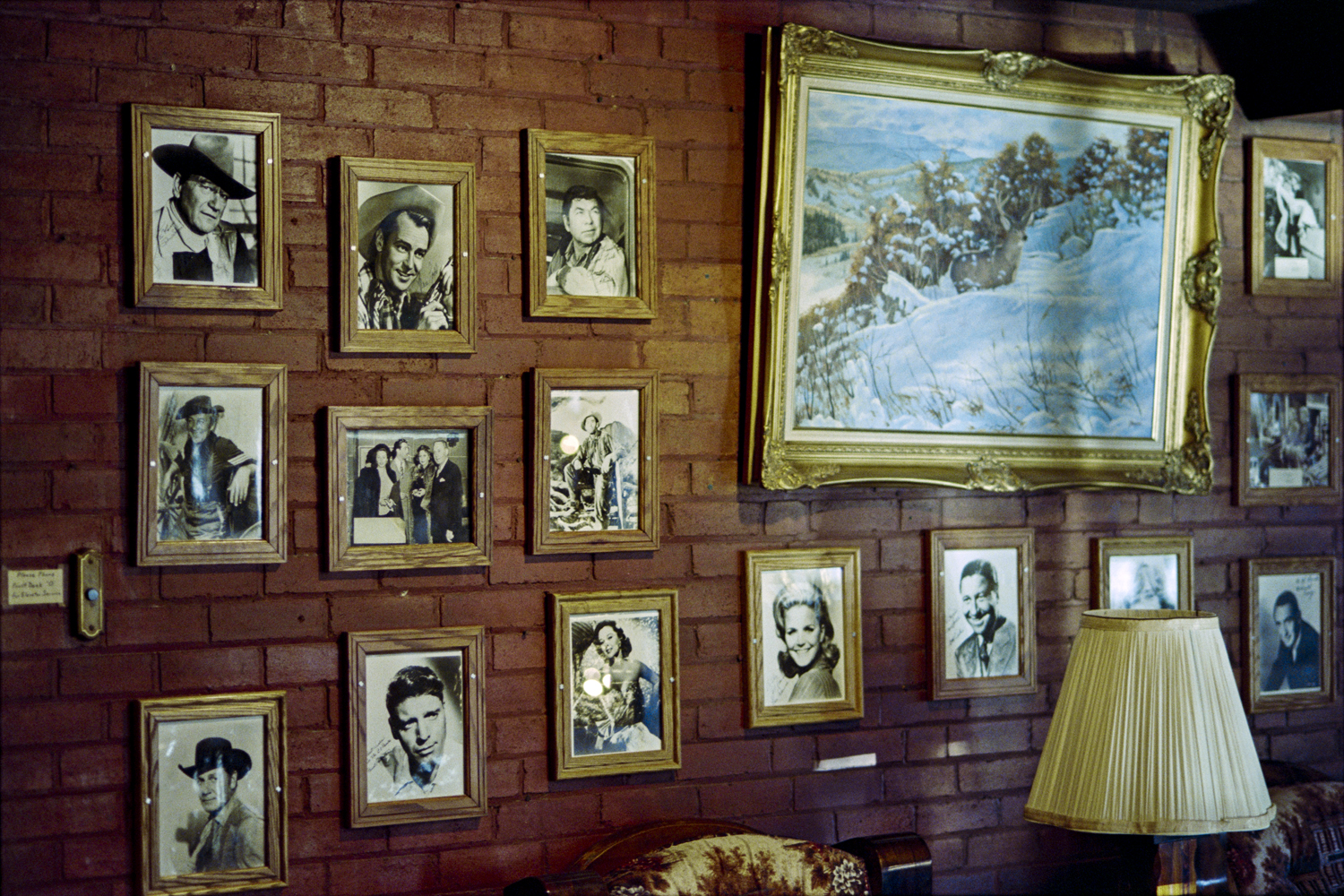
Route 66