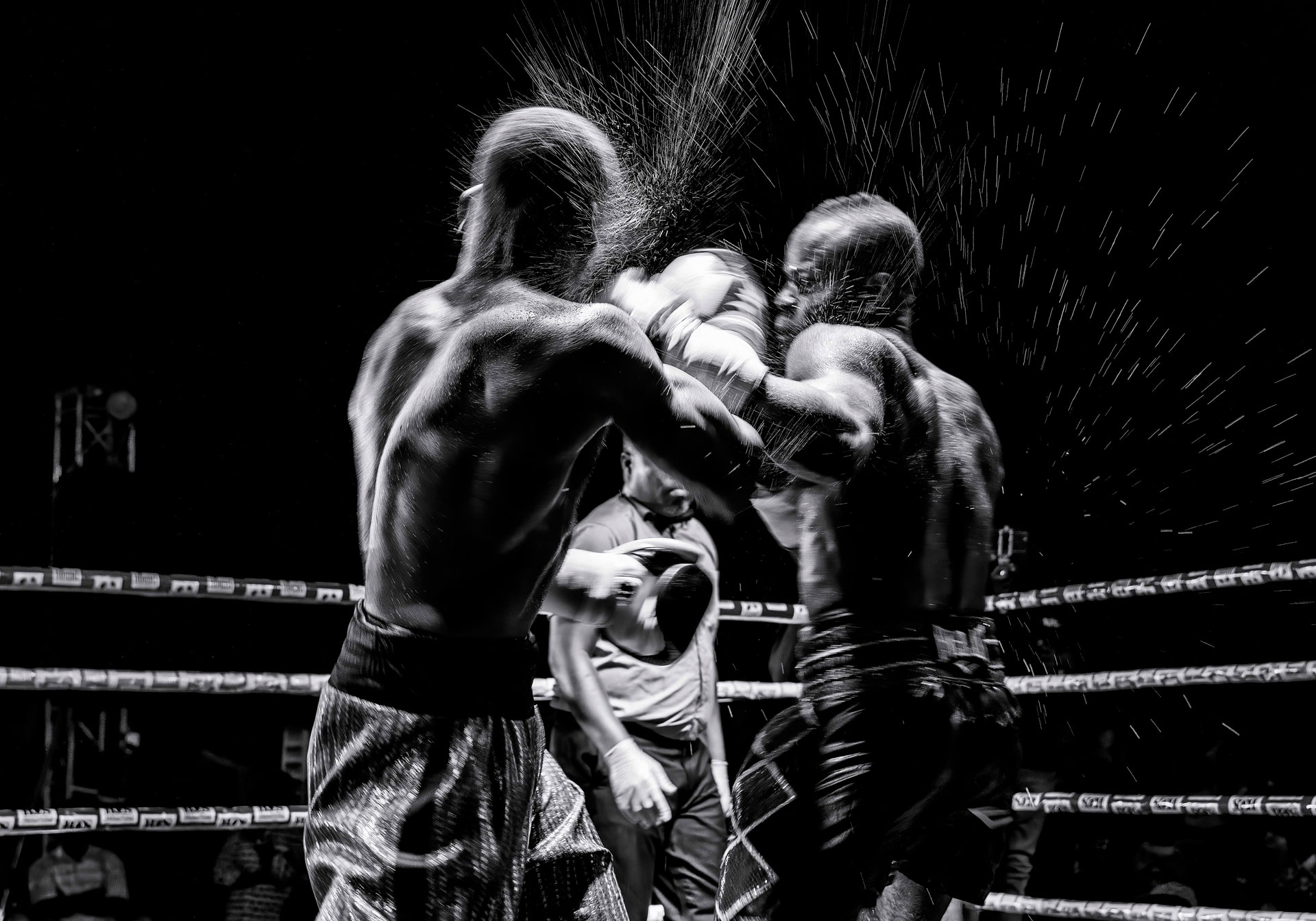
At arm's length
João Miguel Barros
18.04.2026 :: 30.05.2026
Wednesday to friday 03:00 pm - 07:00 pm, saturday till 08:00 pm
The photographic work of João Miguel Barros is not the result of improvisation, nor of a fleeting moment. It emerges from a careful process of study and understanding of the themes, places, and circumstances he wishes to photograph, once the subject has been chosen. João Miguel Barros does not stage his images; instead, he prepares his gaze, researching what he wants to see and how he intends to present it—gathering information and almost pre-visualising what he will later photograph. In truth, he does not produce isolated images; he tells stories through photography. When I look at his work—whether in the books he has published, in the editorial project Zine Photo (which he edited, releasing twelve issues between 2020 and 2023, each dedicated to a specific theme), or in the exhibitions he has held—one element remains constant: a precise gaze that reveals to others what is often not immediately evident, even when it lies in plain sight.
From his career as a lawyer, between Lisbon and Macau, he has brought into his photographic practice a commitment to study, preparation, and the careful analysis of a case—constructing an argument (visual, in this instance) and taking a position. He sees, photographs, and presents with an almost Eastern calm, resistant to the haste so often mistaken for spontaneity. In each of the series presented in this exhibition, the photographs resemble frames from multiple films unfolding simultaneously—fragments of stories that gradually connect with one another. And yet, from the most raw images to the most introspective, there is a common thread: a consistent gaze, a shared visual language, evident in the choice of framing, in the intense black and white, and, in this exhibition, in the careful attention to the presentation and placement of the photographs. What I find most compelling in this exhibition—largely drawn from the artist’s books and zines—is what Cristina de Middel, president of the Magnum photographic agency, has emphasised: “Books remain fixed; exhibitions are in a constant state of evolution.”
In his book To Photograph Is To Learn How To Die, the American photographer Tim Carpenter puts forward a view I share: “Photography has a unique capacity, among the arts, to mediate the rupture between the self and the world. The camera is a machine that negotiates the divide between what exists and what does not—a negotiation that involves accepting limits and the temporary nature of things. The reality is that we cannot control chance.” Perhaps for this very reason, Susan Sontag, long before Carpenter, argued that “photographs cannot explain; they can only show.”
This exhibition—and the work of João Miguel Barros—is centred precisely on this: showing what the artist sees, what he feels, his self. As one moves through the images captured by João Miguel Barros, across such varied contexts and situations, one aspect becomes immediately apparent: the way he uses light. In fact, if we look closely, the reading of light is the central axis of his photography. The works presented here reinforce this idea: what is photography, if not the memory of light? George Eastman, founder of Kodak, expressed this simply: “Light makes photography. It is light that you must understand.”
Manuel Falcão
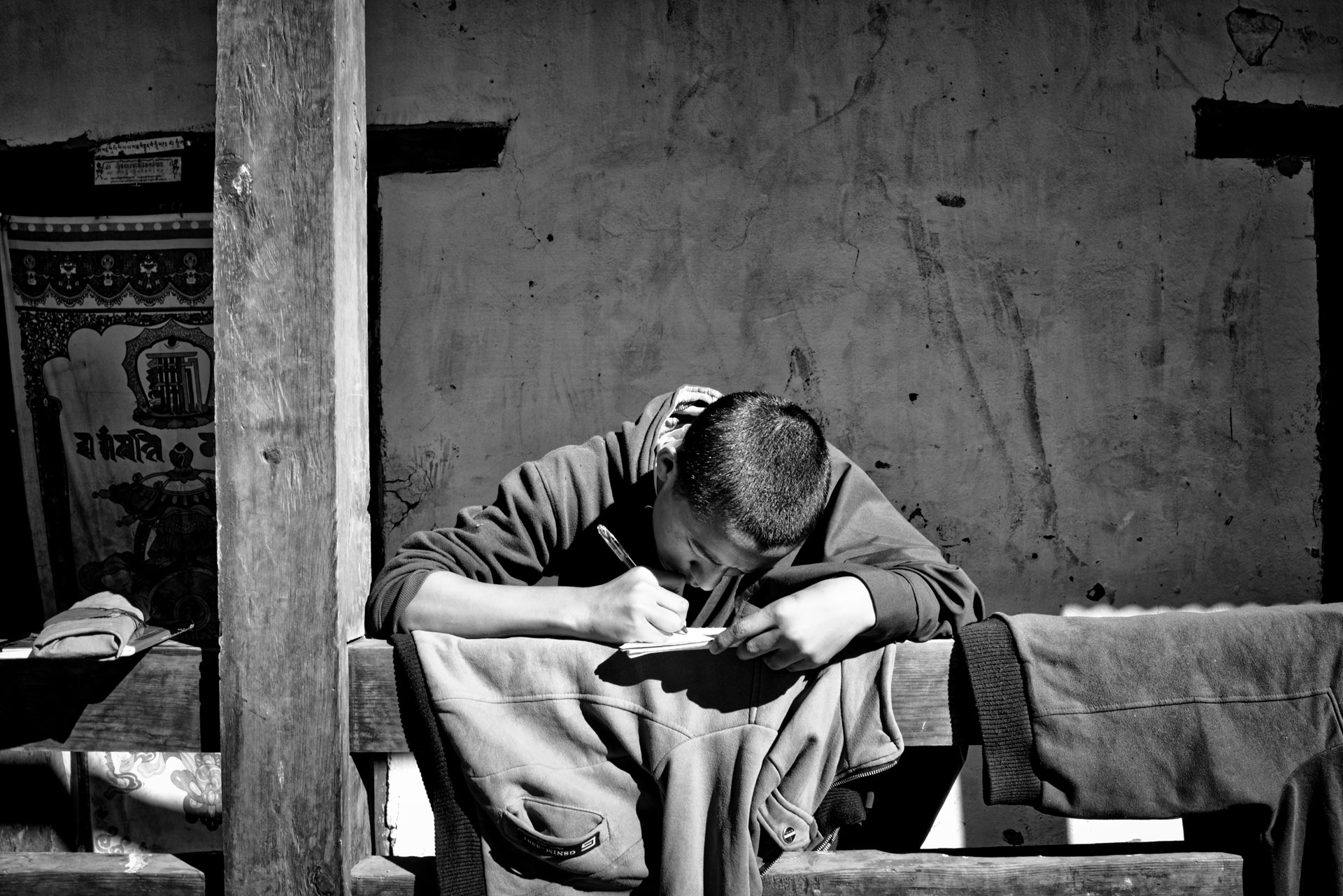
1. At arm’s length is not a measure — it is a condition. It belongs to the body before it belongs to space: it is the radius of a gesture that may touch or withhold, welcome or deflect. As a title, it proposes less a key to interpretation than a field of forces — an interval where the relationship between the one who looks and that which is looked upon remains open.
This exhibition brings together, for the first time in several years, a body of work that traverses different projects realised over time. It is not a retrospective, but a re-reading — a reorganisation of images into small narrative constellations (short stories), each with its own internal logic, yet all inhabiting that same zone of restless proximity the title names.
2. In photographic practice, distance is never neutral. To draw closer implies negotiation — with space, with time, with whoever or whatever stands before the camera. Every framing is the visible result of a decision that remains, in large part, invisible: where I position myself, how near I approach, what I choose to leave out. I confess that I move within this unstable equilibrium with full awareness that the camera does not annul the relationship between myself and what I photograph — rather, it renders it legible.
The proximity these images propose is not, however, merely physical. It is also affective and epistemological. Being close may engender complicity, but it can equally reveal the irreducibility of the other — that which resists total comprehension, which remains opaque despite (or because of) proximity. These photographs do not promise transparency. They prefer to inhabit the zone where seeing and understanding do not entirely coincide.
3. The different clusters of the exhibition — autonomous short stories — develop variations of this fundamental tension. Some are constructed from detail and reduced scale, proposing an almost tactile intimacy. Others maintain a more suspended distance, where restraint becomes a form of attention. In all of them, distance is not merely a theme: it is a compositional principle, an element that structures the gaze of both the photographer and the viewer.
The choice of the short story format is not incidental. The majority of these images were drawn from a three-year project that resulted in the publication of Zine Photo. As in the short narrative form, each grouping operates through concentration and ellipsis — it suggests more than it declares, trusting in the interval between images as much as in the images themselves.
4. Those who traverse the exhibition find themselves confronted with images that solicit approach, that demand time and sustained attention, yet resist immediate appropriation. The work is near, accessible to the gaze, yet never wholly available — and it is precisely this incompleteness that keeps it alive, that preserves the possibility of return.
In a time when images circulate at the speed of a finger sliding across a screen — paradoxically, itself a gesture made at arm’s length — this exhibition proposes a deceleration. Not as nostalgia, but as method: to linger in looking is a way of restoring to the image its density, of returning it to the body and the time that produced it.
5. Between presence and limit, between attention and restraint, At Arm’s Length proposes an exercise in conscious proximity. Each photograph redefines this measure, shifting the equilibrium between approach and withdrawal. What is offered to the gaze is not an answer, but a relation — always provisional, always to be remade.
Photography here affirms itself less as capture and more as a gesture of encounter: an arm that extends without certainty of touch.
João Miguel Barros
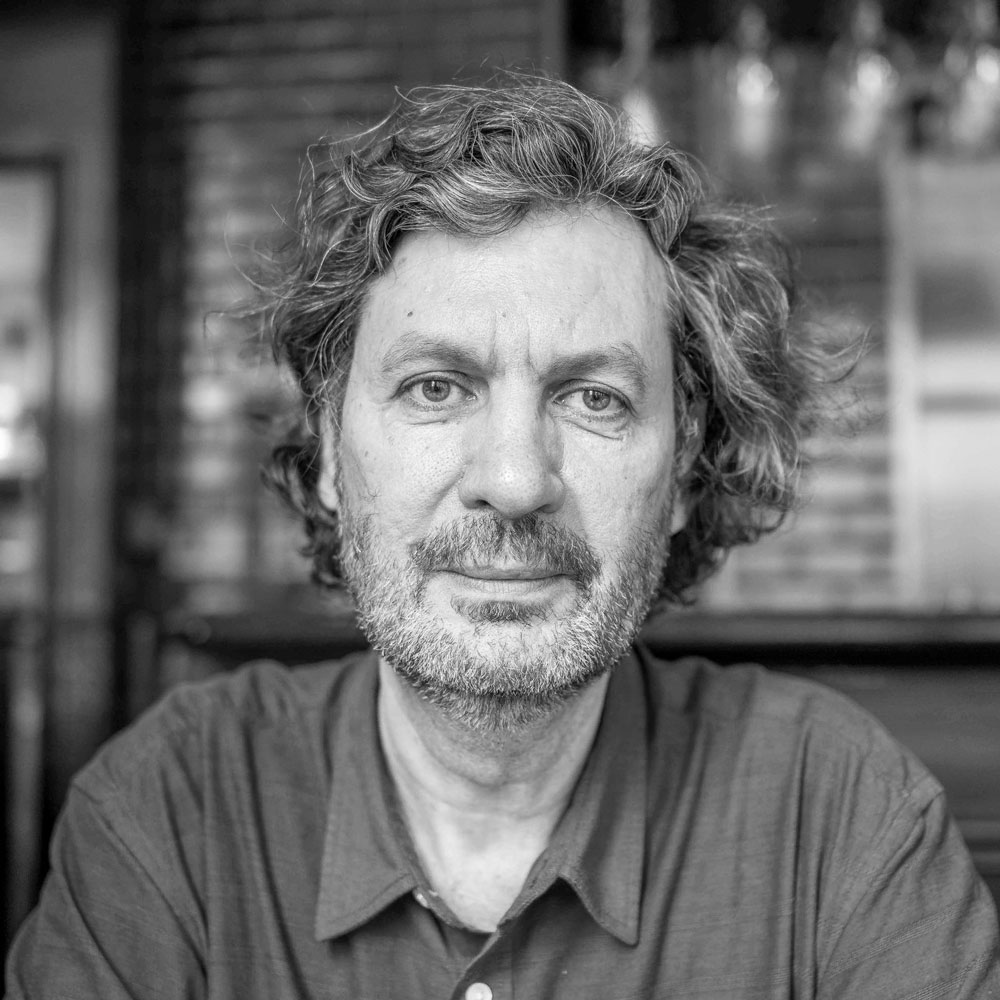
João Miguel Barros
Press release