Where Do Lost Things Go?
Tiz Leão
21.11.2026 :: 16.01.2027
(closed from 20 December 2026 to 5 January 2027)
Wednesday to friday 03:00 pm - 07:00 pm, saturday till 08:00 pm
Where Do Lost Things Go?
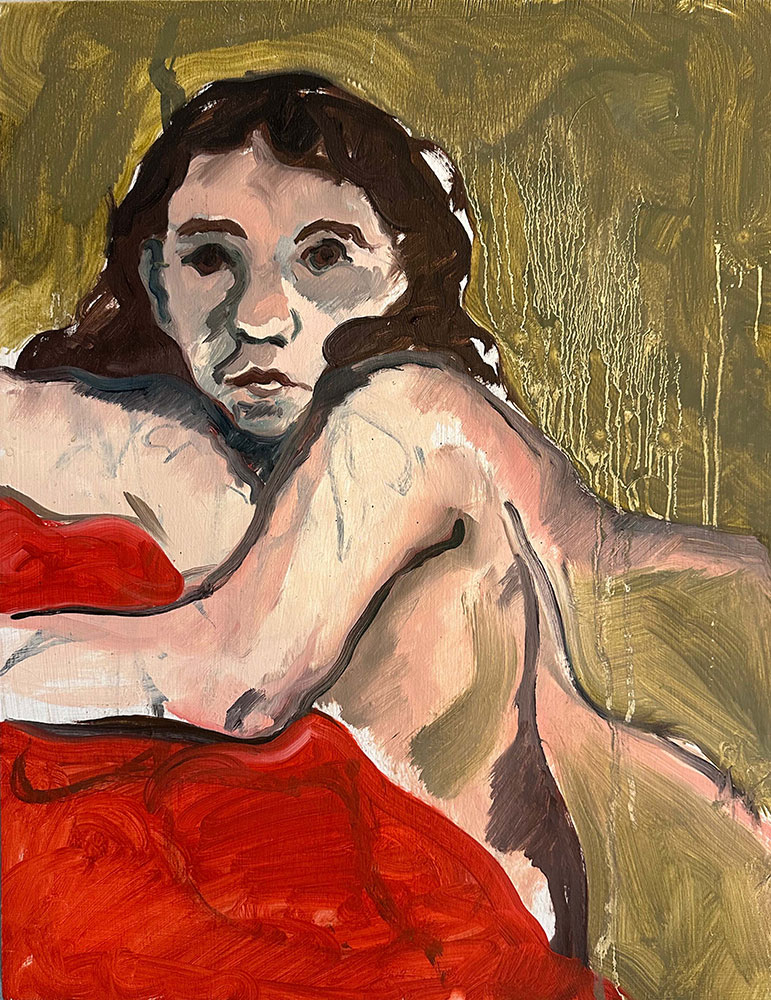
There are objects whose function only becomes fully apparent when they cease to serve the purpose for which they were conceived. Domestic utensils removed from their habitual use, makeshift objects transformed by urgency into means of survival, which we recognise in photographs documenting the migrations of our time. A tension emerges between the material presence of these objects and the memory of the images that have made them familiar. It is within this interval that Beatriz Leão's painting takes shape.
The question that gives the exhibition its title extends beyond the idea of disappearance. It also addresses the transformation that takes place when things cease to belong to the order for which they were made and are called upon to meet an unforeseen need. A domestic object can acquire a vital function, becoming a precarious means of survival for someone seeking to reach another shore. Its use changes, but its material substance remains. It is through this shift in meaning that the idea of loss acquires depth.
The sea is the space in which this transformation takes place. Here, it is neither a landscape motif nor the setting for an epic narrative. It is an expanse without stable points of reference, where bodies remain suspended in a state of near-unconsciousness, between what they have left behind and what they have yet to reach. The boat establishes a provisional boundary between the land left behind and the one still sought. The objects that keep people afloat make the precariousness of this condition visible. Beatriz Leão does not seek to reconstruct the crossing, but rather to dwell on the physical and human experience of those who undertake it.
It is predominantly female bodies that occupy these compositions. Bodies that support, carry and protect other bodies, in which care is inseparable from vulnerability. The pictorial material gives them a pronounced physical presence. Paint accumulates and gains density, responding to the weight of the bodies and the tension of the spaces that surround them. This is not a detached representation of suffering, but a form of painting that seeks to inscribe in matter the condition of those who are so rarely given a place in the images of migration that circulate around us.
Objects and bodies thus share a common condition: both bear the marks of displacement and transformation. What is lost does not necessarily disappear. It persists in material traces, in the images we retain and in the collective memory of those who departed, those who arrived and those whose passage was interrupted. Painting gathers these traces and restores their presence. To objects, it returns a history unforeseen by their original purpose; to bodies, an individuality that the anonymity imposed by migration tends to erase.
The exhibition unfolds within this field of correspondences, using allegory to bring individual experience into proximity with a collective reality. It does not seek to illustrate an event or impose a single reading of the images. Rather, it proposes an encounter with what remains when function, place and identity are transformed. Before these paintings, the initial question is no longer simply where lost things go. It becomes an inquiry into the memory of what has been lost and the possibility of recognising, even in its absence, the traces of an existence.
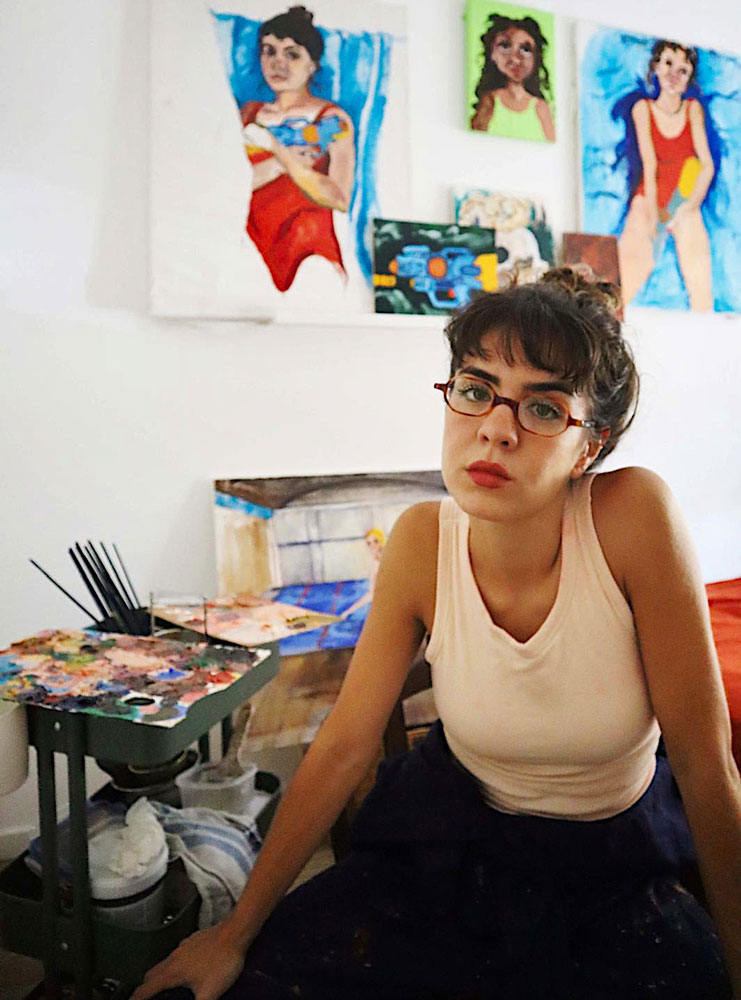
Beatriz Leão
Press release